Property Tax Changes: How They Impact Landlords
December 3, 2025
Dividends and Savings Tax Are Increasing from April 2026
December 5, 2025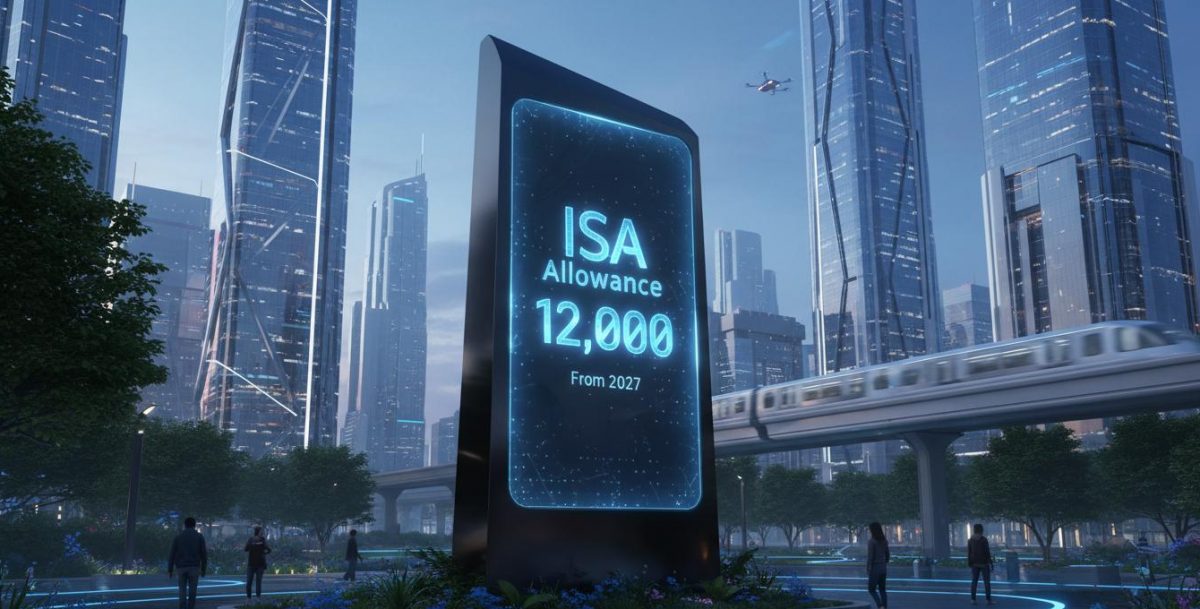
From April 2027, the annualISA allowance will drop from £20,000 to £12,000. This is one of the biggest changes to personal savings in years, and it will affect anyone who uses ISAs to shelter their savings from tax.
Below is a simple breakdown of what the change means, how much tax you could end up paying, and how much interest the £8,000 difference would generate outside an ISA.
What’s Changing?
Right now, you can put up to £20,000 per tax year into ISAs (Cash ISA, Stocks & Shares ISA, or a mix).
From 6 April 2027, this cap will fall to £12,000.
That means £8,000 of savings each year can no longer be protected from tax unless you’ve already used previous allowances or have investments elsewhere.
Why This Matters
ISAs protect your interest, dividends and capital growth from tax.
When £8,000 can no longer go inside an ISA, any interest earned on that amount in a normal savings account becomes taxable.
Many savers will now reach their Personal Savings Allowance (PSA) much quicker:
- Basic-rate taxpayers: PSA £1,000
- Higher-rate taxpayers: PSA £500
- Additional-rate taxpayers: PSA £0 (no allowance)
This means the reduction could push more people into paying tax on savings for the first time.
How Much Interest Would the £8,000 Difference Earn?
Assuming the £8,000 sits in a standard savings account at 3% interest:
£8,000 × 3% = £240 interest per year
That £240 interest would be tax-free inside an ISA, but after 2027 it may be taxable depending on your PSA.
Will You Pay Tax on That £240 Interest?
If you are a basic-rate taxpayer (PSA £1,000):
No tax – £240 is below your £1,000 allowance.
If you are a higher-rate taxpayer (PSA £500):
Still no tax – £240 is below £500.
If you are an additional-rate taxpayer (PSA £0):
Yes – you will pay tax immediately.
Tax due:
- £240 × 47% = £112.80 tax
When Would You Start Paying Tax?
Using a 3% interest rate, your non-ISA balance must generate interest above your PSA before tax applies.
Basic-rate taxpayer (PSA £1,000):
You’d need savings of about £33,334 outside an ISA at 3% before you pay tax.
Higher-rate taxpayer (PSA £500):
You’d need about £16,667 outside an ISA at 3% before you pay tax.
Additional-rate taxpayer:
You start paying tax on every pound of interest, including the £240 generated by the £8k.
What This Means for Savers Going Forward
- More people will hit their PSA sooner.
- High-rate and additional-rate taxpayers feel the impact most.
- ISA planning will become more important, especially for long-term investors and those building larger savings pots.
- Couples should consider splitting savings to maximise two PSA allowances where possible.
The government may be reducing the allowance, but smart planning can still minimise tax on your savings.